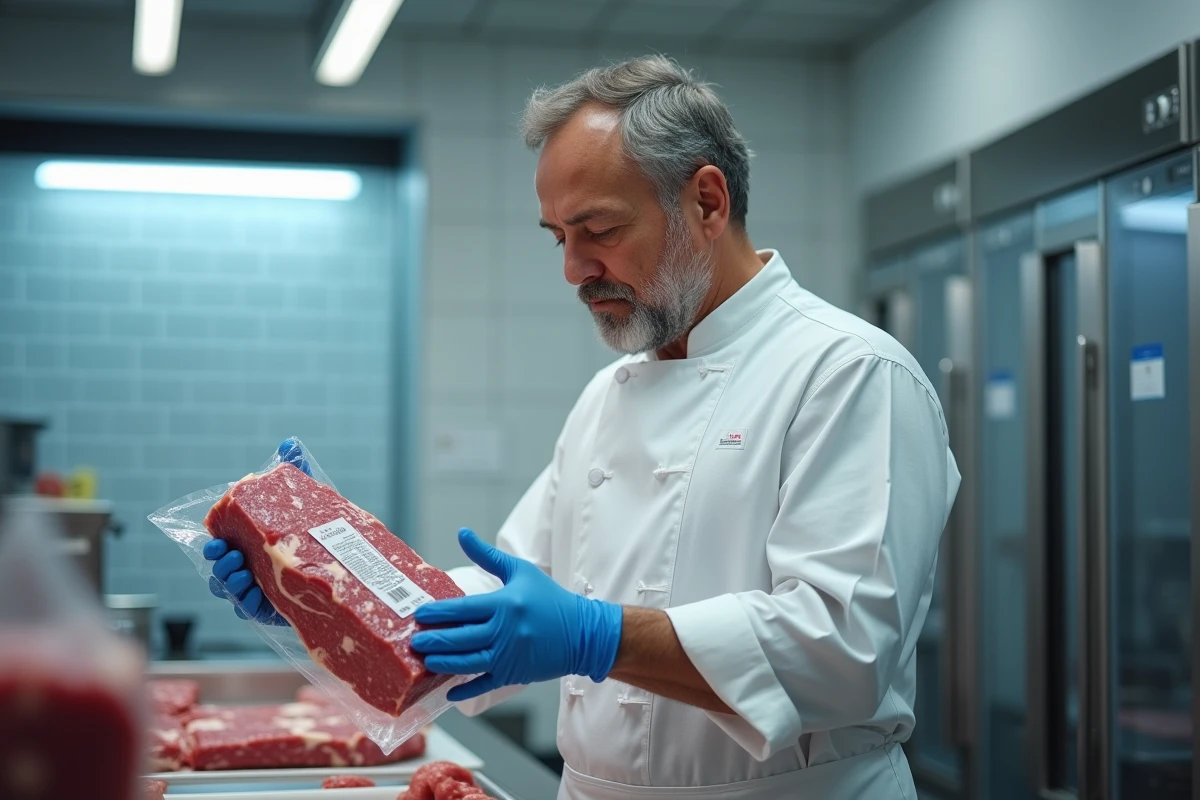
When you turn over a pack of ground beef at Lidl, you find a label that mentions a country of birth, a country of rearing, and a country of slaughter. These three mentions are mandatory for beef in Europe. The problem is that this displayed traceability does not always tell the whole story of the piece you are about to buy.
Lidl Beef: The Case of Irish Angus Steaks and the Real Origin
A concrete example illustrates the limits of labeling. In 2024-2025, Lidl marketed packs of steaks presented as the “best steak in the world: Irish Angus.” The displayed origin indicated Ireland.
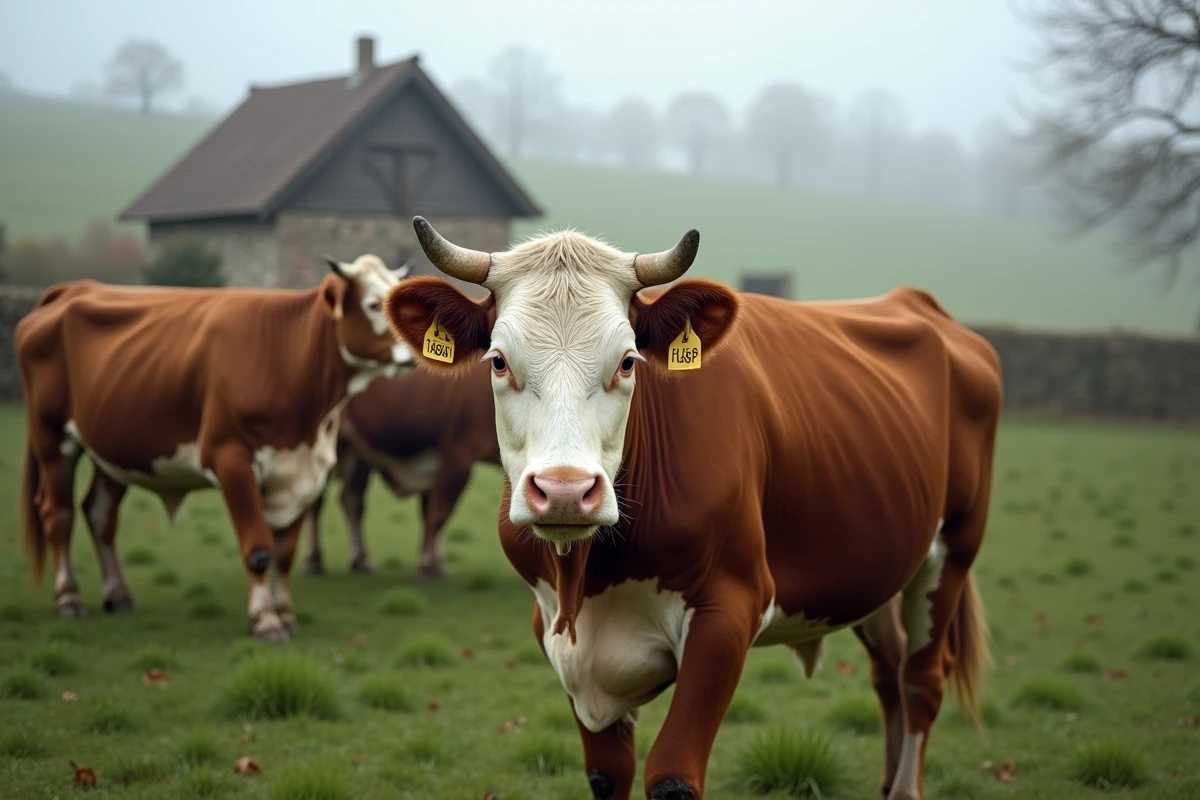
Agricultural trade unions (FDSEA and Young Farmers of Aveyron and Lot) then revealed that these animals came from Mercosur countries before being finished and slaughtered in Ireland. The label mentioned the country of slaughter, not the country of birth or the complete journey of the animal. Farmers succeeded in having the Angus packs of Irish origin removed from a Lidl store in Rodez.
This case shows a frequent discrepancy: “origin Ireland” on a pack may only mean that the animal was slaughtered in Ireland, while it spent most of its life on another continent. For consumers who want to understand where their meat really comes from, it is necessary to learn more about Lidl meat origin beyond just the regulatory mention.
Share of French Meat at Lidl: What the Brand Claims
Regarding fresh beef, Lidl France has communicated a precise figure, relayed by Agra Presse and reported by Le Paysan Tarnais: about 90% of the fresh beef sold in-store is of French origin (birth, rearing, and slaughter on the territory). The remaining share mainly comes from Ireland and other European countries.
This figure concerns the fresh section. It does not cover processed products (prepared dishes, lasagna, Bolognese sauces) or occasional promotions like the aforementioned Irish Angus steaks. Thus, there are two different realities depending on whether you buy ground beef in the butcher section or a processed product.
What “origin France” Actually Guarantees
When a pack of fresh beef bears the mention “origin France,” it means that the animal was born, raised, and slaughtered in France. All three stages of the journey are covered. This is the most complete level of traceability you can find in large retail.
For other species, the regulations are less stringent. Pork and poultry only require the country of rearing and the country of slaughter, not the country of birth. Lamb follows similar rules to beef, but reports vary on the systematic availability of French products in Lidl’s shelves.
Reading the Lidl Meat Label: The Three Mentions to Check
Beyond the logo or the tricolor flag printed on the packaging, it is the back of the pack that provides the useful information. Here’s what to look for:
- The country of birth of the animal, which indicates where the beast was born (mandatory mention for beef, not always present for pork)
- The country of rearing, which covers the longest period of the animal’s life and largely determines the production conditions
- The country of slaughter, often the only one mentioned on imported products, which can mask a complex international journey
A French flag on the packaging does not guarantee that all three stages are French. Some packaging plays on visual codes (blue-white-red colors, images of meadows) without the animal having spent its life in France. Only the regulatory text on the back is authoritative.
Lidl Organic Ground Meat: Composition and Traceability of the Origin Prineos Range
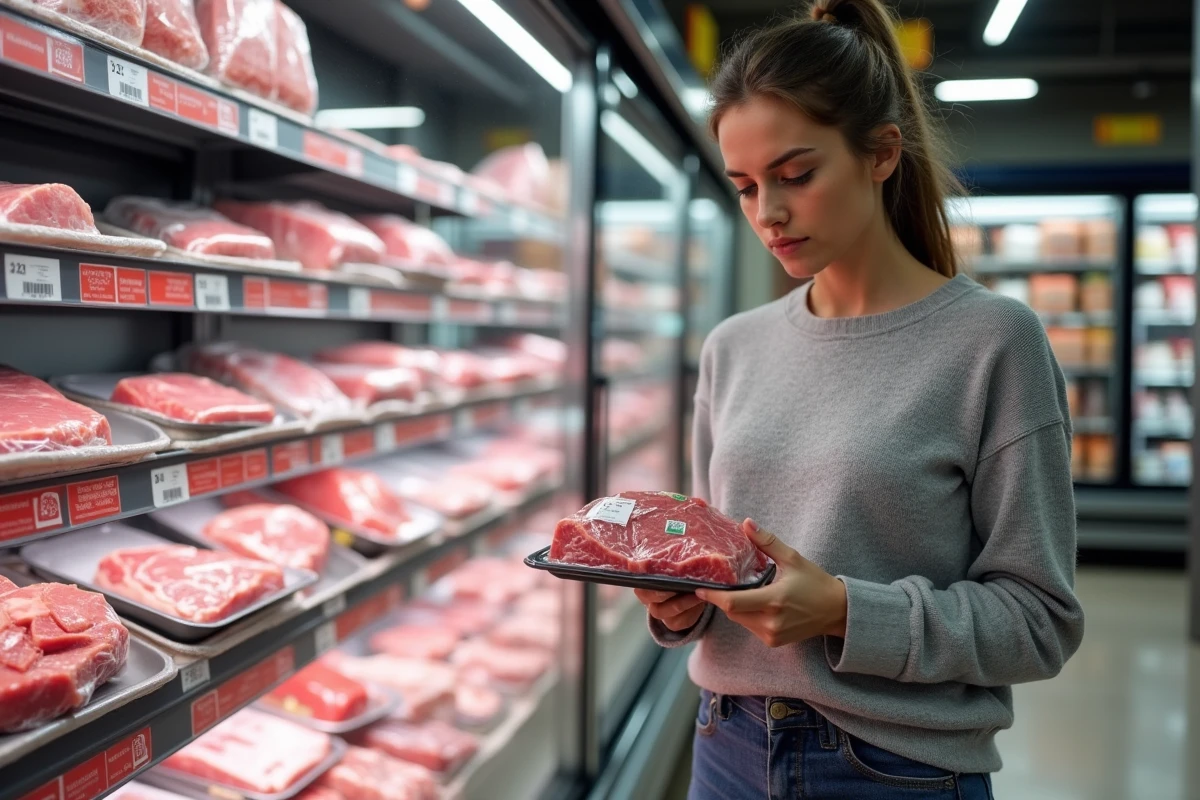
The organic Origin Prineos range, regularly available at Lidl, has been analyzed by a nutrition specialist. The finding is quite favorable: the ingredient list consists of organic meat and a pinch of organic pepper. No additives, no preservatives, no added plant proteins.
This type of short composition is far from the norm in large retail, including at more expensive brands. Regarding traceability, the organic label implies a European specification with controls on animal feed and rearing conditions, but it does not change the rules for labeling geographical origin.
Prepared Ground Steaks: Caution on Composition
“Prepared” or “elaborated” ground steaks follow a different logic. They may contain:
- Soy or pea proteins to increase volume
- Flavor enhancers or aromas
- Added water and vegetable fibers
- Meat from multiple geographical origins, mixed before processing
When you read “pure beef ground steak,” you have a simple composition. When you read “preparation based on ground beef,” you fall into a different regulatory category where geographical traceability becomes more blurred and the percentage of real meat may decrease.
The distinction between these two categories hinges on a few words on the front of the packaging. Checking the exact product name before looking at the price avoids unpleasant surprises once at home. A pure beef ground steak of French origin at Lidl remains a product whose complete journey can be traced, which is not the case for all references in the section.