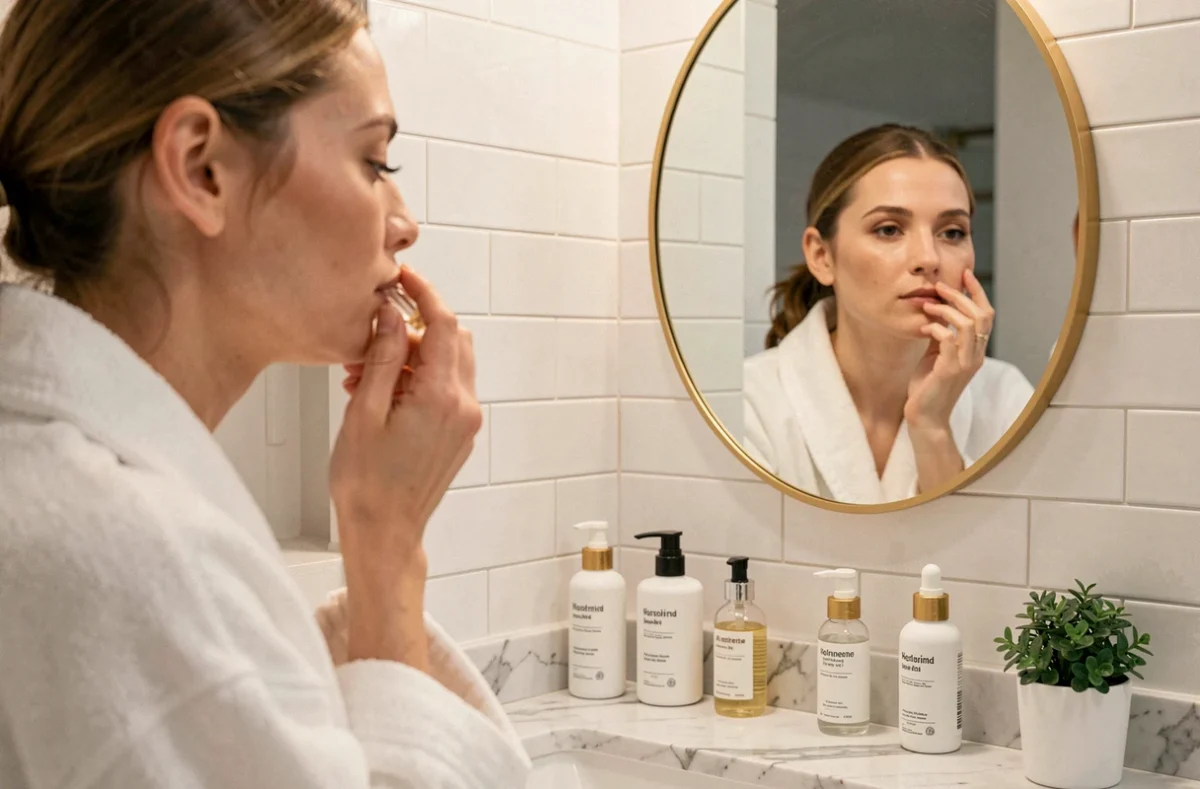
The European cosmetics market is undergoing regulatory changes that are directly affecting the composition of products on store shelves. Restrictions on microplastics in rinse-off cosmetics will take effect on October 17, 2027, followed by leave-on products on October 17, 2029.
At the same time, the expanded fragrance allergen labeling requirements in the European Union are changing how much information can be read on a bottle. These developments are more than a passing trend: they are reshaping the criteria people use when building their daily skincare routines.
Microplastics in cosmetics: a timeline that is changing formulations
The European restriction on microplastics goes beyond exfoliating products with microbeads, even though the issue is often reduced to that alone. It covers all synthetic polymer microparticles in formulations, including those used as binders, film-forming agents or texturizers.
Rinse-off cosmetics (shower gels, shampoos, facial cleansers) will be affected from October 2027. Leave-on products (moisturizers, serums, body lotions) will follow in October 2029. Makeup, lip products and nail polishes have a later timeline, with a ban set for October 17, 2035 and mandatory labeling from October 17, 2031.
For products available on the Cosmétiques Beauté website, this transition means textures will gradually change. A reformulated shower gel will not feel the same as a version containing plastic microbeads. Brands preparing for these deadlines are already updating their product ranges, which explains some of the changes in texture or staying power noticed from one year to the next.
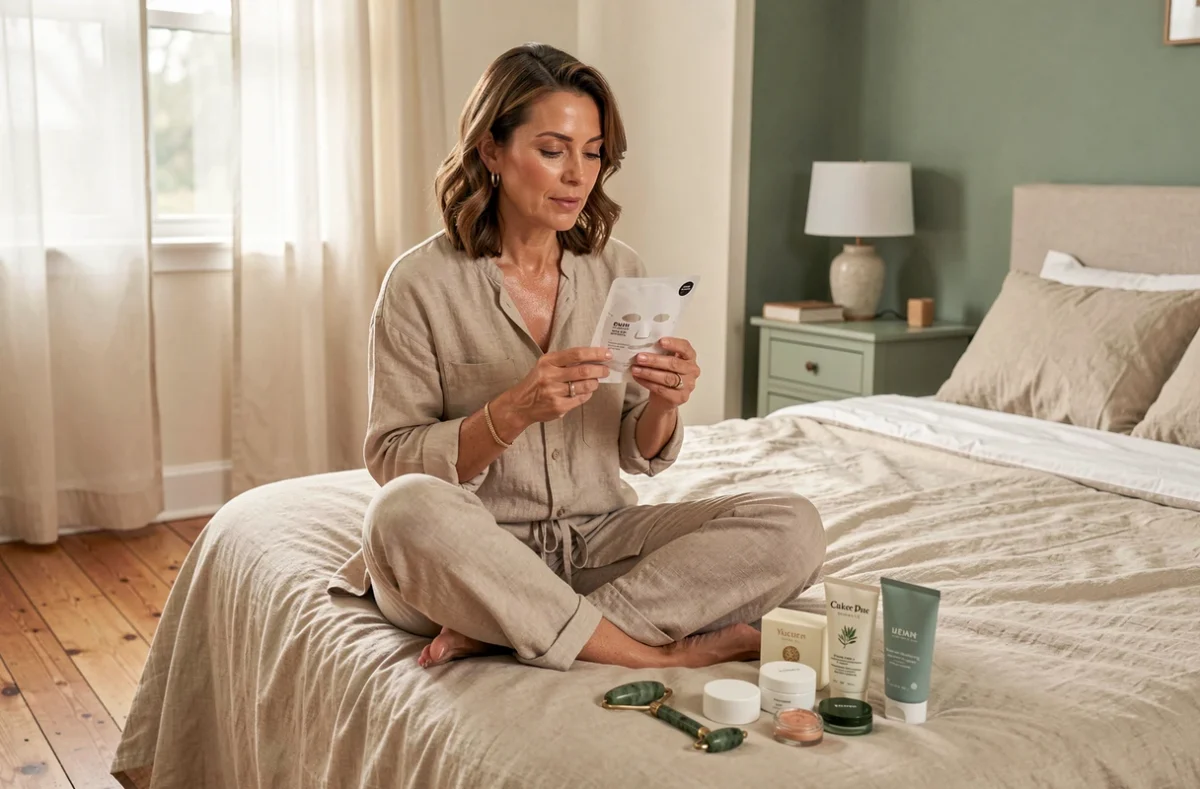
Minimalist beauty routine: use fewer products without compromising results
Using more skincare products does not guarantee better results. A cleanser suited to your skin type, a moisturizer and sun protection cover the basic needs of a daily routine. Adding a serum or targeted treatment is only worthwhile when there is a specific concern (dark spots, wrinkles, localized dehydration).
Three well-chosen products are better than eight layered on without a plan. Using too many active ingredients can cause irritation, especially when exfoliating acids are combined with retinol or concentrated vitamin C without understanding how they interact.
Cosmetic labeling: reading the INCI list after the expansion of allergen requirements
The expanded list of fragrance allergens on European labels is changing how consumers read cosmetic products. Where labels once listed around twenty allergens that had to be declared, the list has grown. For sensitive or reactive skin, reading the ingredients list is now an essential part of skincare.
It takes a little know-how to spot labeling changes:
- Compare the INCI list of a product you have repurchased with the previous version, as an unannounced reformulation can affect skin tolerance
- Look for “microplastic-free” claims as they gradually appear on packaging, or statements confirming compliance with current European regulations
- Check for newly listed fragrance allergens, especially if you have previously reacted to certain fragrances
Makeup with SPF: genuine sun protection or a marketing claim?
Foundations, BB creams, CC creams and powders with an SPF rating have become increasingly common. Whether they provide effective sun protection remains an open question. The ongoing revision of the European recommendation on sun protection products could directly affect these makeup categories.
An SPF 30 foundation is no substitute for dedicated sunscreen. The amount of product applied to the face during makeup is generally far lower than the amount used in laboratory tests to measure the protection rating. As a result, coverage is only partial.
Although the final rules have not yet been set, the regulatory direction points to tighter controls on SPF claims in makeup. Consumers who rely on foundation as their only UV protection are taking a risk, particularly during prolonged exposure.
Adjusting your sun protection routine without layering on too much
Applying sunscreen under makeup remains the most reliable approach. Lightweight, non-comedogenic formulas can be layered without feeling heavy. On days when you wear minimal makeup, a moisturizer with a verified SPF (not just a marketing claim) is a reasonable compromise for brief exposure in the city.

Assessing beauty trends without falling for marketing
The term “clean beauty” has no regulatory definition in Europe. A product labeled “clean” may contain perfectly safe synthetic ingredients, while a natural ingredient can cause allergies. Because the term “clean” has no legal definition, it is an unreliable purchasing criterion.
The trends worth paying attention to are those backed by concrete regulatory changes. The gradual removal of microplastics from formulations, expanded allergen labeling and future controls on SPF claims in makeup: all three developments are genuinely changing the products available.
- Choose products with clear, concise ingredient lists rather than those whose packaging highlights unregulated terms
- Be wary of product ranges that add more and more “steps” (double cleansing, toner, essence, serum, ampoule, cream, oil) without a dermatological reason
- Keep track of when European restrictions take effect so you can anticipate reformulations and try new textures before they become the norm
In the coming years, formulations will change because of legal requirements, not just marketing choices. Keeping an eye on regulatory deadlines rather than social media trends helps you make more sustainable skincare choices. It is better to spend five minutes reading an INCI list than to follow the latest trend to appear online.